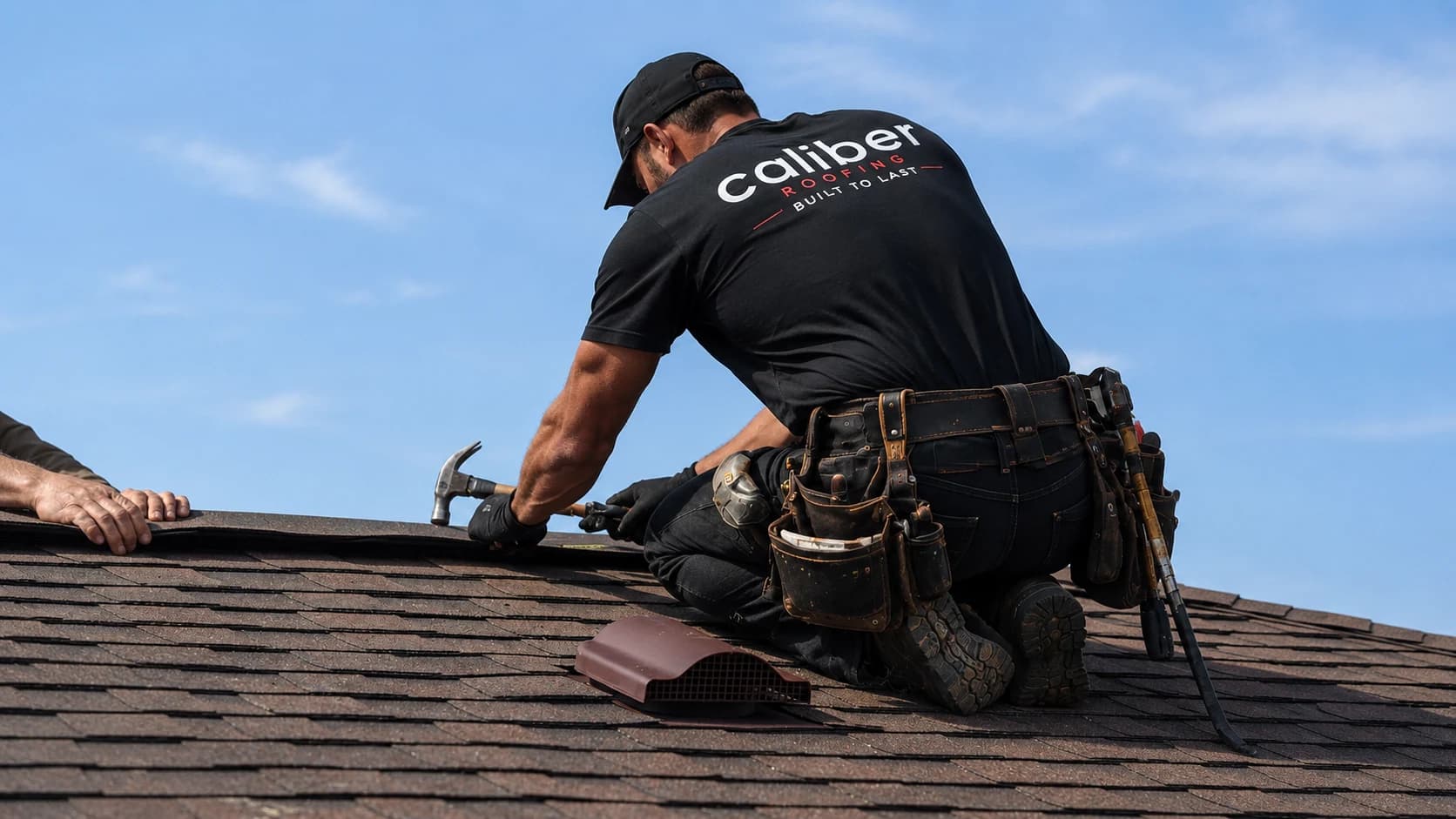
Signs you need a roof replacement — not just a repair.
A repair on a roof that needs replacement is money deferred, not money saved. A replacement on a roof that only needs a flashing fix is money wasted. Here's how to tell the difference.
Free inspection. Straight answers. No pressure. Serving Wilmington and coastal NC.
How we think about repair vs. replacement.
The decision comes down to three things: the extent of damage, the age and condition of the surrounding roof, and the economics of each path. A repair that buys 2 years on a 22-year-old coastal roof isn't a solution — it's a delay with a bill attached. A replacement on a 9-year-old roof with isolated storm damage is over-treatment. The right answer requires getting on the roof and assessing what's actually there.
Extent
How much of the roof surface is affected? Isolated damage patches well. Widespread deterioration doesn't.
Age
What's the remaining life of the surrounding material? A repair that outlasts the rest of the roof is a good repair. A repair that outlasts nothing isn't.
Economics
Does the repair cost make sense relative to the replacement cost and the remaining life? A $3,000 repair on a roof with 3 years left isn't always worth it.
Clear signals that repair won't be enough.
01
Age past useful life
An older roof deserves a closer look at its condition and repair history. Age alone does not decide the issue: sun, wind, installation quality, maintenance, and the condition of the surrounding shingles all matter.
02
Widespread granule loss
Granules protect shingles from UV and impact. When you see bald patches across the roof field, or heavy granule accumulation in gutters after rain, the shingles have lost their protective layer across a large area. This is a whole-roof problem.
03
Shingles curling or cupping across the field
Curling (edges turning up) or cupping (centers dipping) that appears across most of the roof indicates the shingles have reached the end of their adhesion cycle. This affects the whole deck.
04
Multiple previous repairs in the same areas
If the same section has been repaired more than once, the underlying decking or structural issue isn't being addressed. Recurring leaks in the same spot despite repairs signal a system problem.
05
Sagging roof deck
Any visible sag in the decking, ridge line, or rafters indicates moisture damage to the structure beneath the shingles. This is a replacement-level issue — and potentially a structural repair as well.
06
Widespread storm damage
Damage across multiple slopes may make spot repairs impractical. The right scope depends on the actual roof condition, repairability, the written estimate, and any applicable insurance decision.
07
Insurance-approved replacement
If an insurer has approved a replacement scope, compare it with the contractor's assessment and the policy terms before choosing the work. Ask about any gap between the approved scope and the proposed installation.
08
Selling the home
A replacement at point of sale resolves inspection contingencies, supports the asking price, and removes buyer negotiation leverage around roof condition.
When repair is the correct, complete solution.
- Damage is isolated to one slope, section, or component
- The rest of the roof is in good condition with years of life remaining
- The roof is under 15 years old
- The issue is flashing, a single penetration, or a small number of shingles
- A repaired section will match the performance of the surrounding material
- You received insurance coverage for a specific damaged section only
- The repair cost is proportionally small relative to remaining roof value
Free inspection
Not sure which category you're in?
That's exactly what the inspection is for. We get on the roof, assess what's actually there, and give you a straight answer — repair, replacement, or nothing needed right now.
(910) 218-8178Schedule a Free InspectionThree situations, three different questions.
These examples help frame the conversation. An inspection is needed to make a recommendation for your actual roof.
A flashing leak on an otherwise sound roof
A focused repair may solve the problem.
Check: Trace the water path and inspect the surrounding deck and shingles.
Several lifted shingles after a storm
Repair may work if the damage is limited and matching material is available.
Check: Document other slopes before deciding it is isolated.
Recurring leaks and widespread shingle wear
Replacement may be more reliable than repeated repairs.
Check: Compare the repair cost and likely remaining life with a full written replacement scope.
Compare the cost with the useful life you may gain.
There is no universal percentage that makes replacement the right answer. Compare the written repair cost, the condition of the rest of the roof, how long the repair is likely to last, and the complete replacement scope. A small flashing repair on a sound roof is different from an expensive patch on a roof with widespread wear. Warranty coverage depends on the products and written terms you choose.
“Caliber will never recommend a replacement to avoid the work of a repair. If repair is the right answer, that's what we'll tell you.”
What homeowners ask about repair vs. replacement.
Can I replace just one slope instead of the whole roof?
What if the inspector says I need replacement but I can only afford repair right now?
My roof doesn't leak. Does that mean it's fine?
Will a replacement affect my insurance rates?
How long does a roof replacement take?
Don't guess. Get on the roof.
A free inspection gives you a documented starting point and a clear recommendation — repair, replacement, or nothing needed. No sales pressure. Just facts.
Learn more about your options and what to expect.