Wind damage roof repair — free inspection, full claim support.
Hurricanes, tropical storms, and coastal wind events can lift, crack, and expose your roof in ways that aren't obvious until water comes in. We inspect, document, and work the claim — so you don't have to figure it out alone.
Free inspection. No obligation. Serving Wilmington and all of southeastern NC.
Coastal wind damage compounds fast.
A lifted shingle tab in July becomes a leak by September. On the coast, the window between wind event and water intrusion is shorter than most homeowners expect.
Coastal winds cause damage at lower speeds
Salt-air exposure and sun degradation weaken shingles over time. What holds in a 50-mph inland wind may fail at 40 mph on the coast. Older roofs are especially vulnerable.
Claim windows close fast
Wind damage claims are time-sensitive. Most NC policies require filing within a year of the storm date — and documentation is much easier when the damage is fresh.
Wind damage is often widespread but subtle
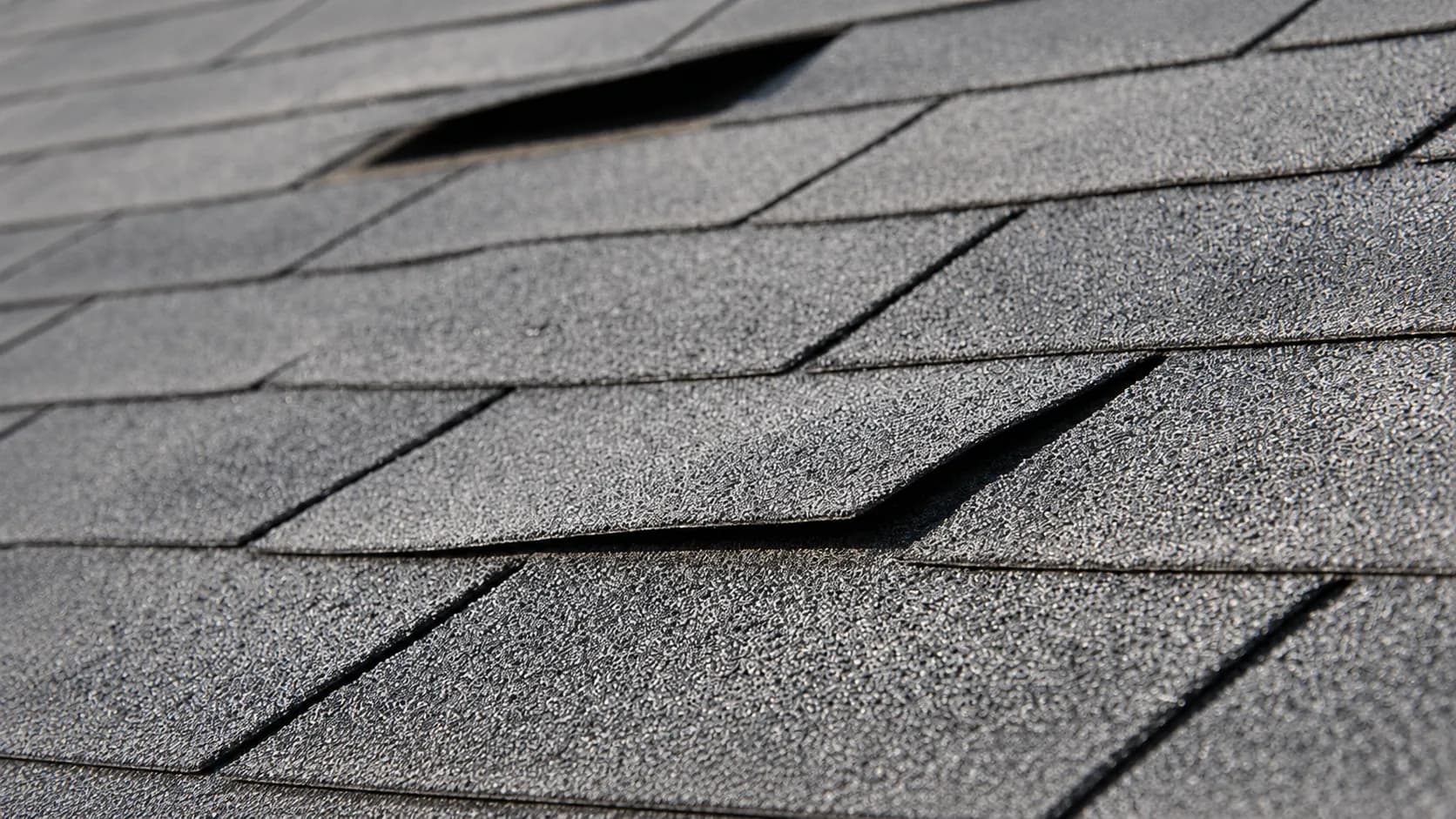
A few missing shingles are obvious. Lifted tabs, broken seals, and creased shingles from wind pressure are not. We find both.
Signs your roof took wind damage.
Some signs are visible from the ground. Most require getting on the roof. If you had a significant wind event, get an inspection before assuming everything is fine.
- Missing, lifted, or creased shingles
- Blown-off ridge cap or hip shingles
- Damaged or detached flashing around chimneys and vents
- Exposed roof deck from large sections of shingle loss
- Bent or pulled-away drip edge
- Soffit or fascia damage from wind-driven debris
- Visible daylight through the attic after the storm
- Interior water stains following a wind event
After a wind event
Don't wait for the next rain to find out.
A free inspection after a significant wind event costs you nothing. Finding wind damage before it becomes a water damage problem — and before the claim window closes — is the whole point.
(910) 218-8178Schedule a Free InspectionInspection to repair — no guesswork.
01
Free inspection
We get on the roof and document all wind-related damage — shingle loss, lifted tabs, flashing failure, and anything that opens the roof to water.
02
Photo report
Every damaged area is photographed before any work begins. That report becomes your claim documentation.
03
Adjuster coordination
We meet your insurance adjuster on-site, walk the damage with them, and make sure the approved scope reflects what we found.
04
Repair or replacement
Once the claim is approved, we schedule the work. If repair is the right call, we repair. If replacement is warranted, we replace the full system.
Wind, hail, and hurricane damage all handled in one free inspection.